When the heat goes out in Council Bluffs, IA, the clock starts ticking, and the diagnosis depends entirely on what kind of system is doing the failing. On a gas furnace, the most common no-heat call we run is a flame sensor coated in oxide: the burners light, the sensor cannot prove the flame, and the board shuts the gas down after the third attempt and locks out. Close behind come cracked hot surface igniters, stuck pressure switches, clogged condensate traps on high-efficiency models, and blower motors that have quietly worn out. Heat pumps fail differently: a weak defrost cycle leaves the outdoor coil buried under frost, a failed reversing valve strands the system in cooling, and a dead outdoor unit leaves the electric backup strips carrying the whole house at several times the operating cost.
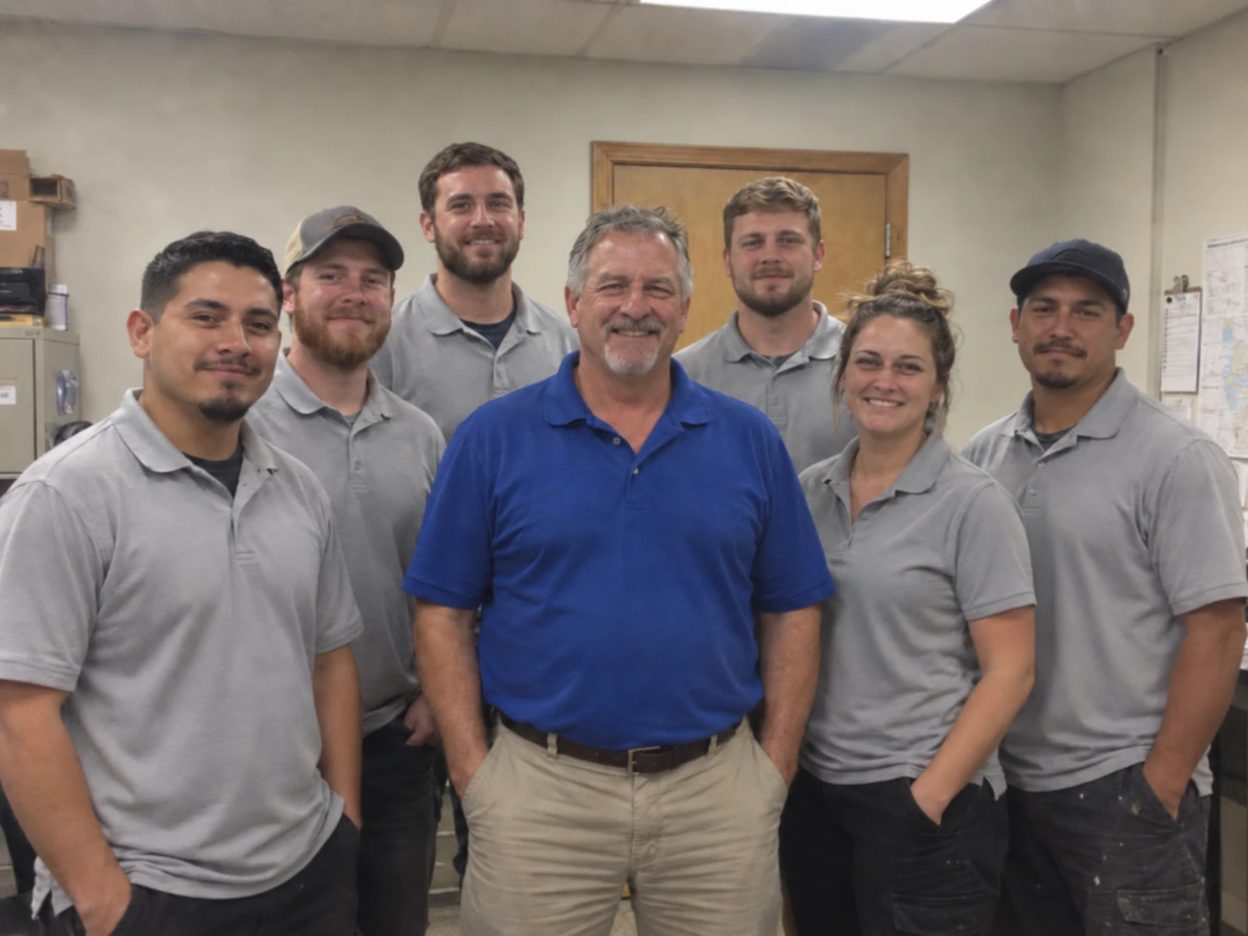
Guessing gets expensive on a cold night, so Council Bluffs HVAC handles every heating call as a diagnosis first and a repair second. Our experienced technicians measure before they replace anything: microamp flame signal, igniter resistance, pressure switch response to actual inducer draft, capacitor and motor readings, plus charge and defrost checks when the system is a heat pump. On gas equipment, safety checks are part of the routine, not an add-on. Gas connections are leak-tested, the heat exchanger is inspected, and venting is verified, because warm air from an unsafe furnace is not a fix.
Furnace, heat pump, air handler, boiler, or ductless unit, from any major brand, we service it. Stocking igniters, flame sensors, capacitors, inducer motors, and blower motors on every truck means heat usually comes back on the first trip. And if a repair no longer makes sense for aging equipment, we will be honest about that and lay out the options with real numbers. Call (402) 799-5496 for heating repair anywhere in Council Bluffs, and an experienced technician will head your way today.
The repair homeowners call us about most is Furnace Repair in Council Bluffs. Start there if your system isn't running right.
Signs You Need Heating Repair in Council Bluffs
Catching these issues early helps you avoid costly problems and protect your property. Watch for these telltale signs that professional help is needed:
- The furnace clicking and trying to light but shutting back down
- Uneven heat, with certain rooms that never warm up
- Energy costs climbing even though the house feels colder
- A loud boom when the burners light, which points to delayed ignition
- No warm air at the registers even with the heat turned up
- A rotten-egg, burning, or musty smell once the heat kicks on
- The system starting and stopping every few minutes without warming the house
- A heat pump's outdoor unit encased in frost or ice
Act Before It Gets Worse
A failing capacitor, clogged condensate drain, or dirty flame sensor rarely fixes itself and usually gets more expensive to address the longer it runs. If you notice any of these signs, contact Council Bluffs HVAC at (402) 799-5496 for a prompt inspection.
Heating Repair Issues? We Can Help.
Call our expert team for pricing today.
Get Help: (402) 799-5496Your Heating Repair Questions Answered
Why Professional Heating Repair Matters
Heating repair carries the highest stakes in home comfort work because combustion is involved. A furnace that lights late booms gas vapor inside the heat exchanger and stresses the metal; a heat exchanger that cracks can pass combustion gases into the supply air; a flue that has stopped drafting sends carbon monoxide into the house instead of out of it, and none of these announce themselves in ways an untrained eye can catch. The diagnostic terrain is genuinely tricky too: a furnace that short-cycles might have a failing limit switch, or it might be protecting itself from a clogged filter, and cleaning a flame sensor without asking why it fouled leaves the next lockout already scheduled.
Our experienced technicians bring instruments and judgment to both problems. Flame signal is measured, not assumed; heat exchangers are inspected; draft is verified at the flue; temperature rise is checked against the data plate so the blower speed matches the fire. On heat pumps we test defrost boards, sensors, and reversing valves rather than condemning the compressor on a hunch, and we check whether the backup heat strips have been quietly running your bill up for weeks. The repair you get is one that has been proven safe and correct under a full cycle, which is exactly what you want from anyone touching the machine that keeps your family warm.
Our Heating Repair Process
Every visit follows a step-by-step method refined over years of hands-on experience. Here's a look at each step our Council Bluffs HVAC team takes:
Diagnosis & Safety Inspection
Each call begins with measurements, not guesses: flame signal, igniter resistance, pressure switch response, and motor and capacitor health, plus refrigerant charge and defrost on heat pumps. Gas connections are leak-tested as a matter of course.
Clear Findings & Upfront Quote
You see the failed part and hear exactly why it failed, then get a firm price before any work starts. When a cracked heat exchanger or failed compressor makes replacement the smarter move, you hear it from us directly.
Same-Visit Repair
Because our trucks carry igniters, flame sensors, pressure switches, capacitors, and motors, most repairs are finished on the first visit, and your home is warming up before we pack up.
Complete System Check
We run complete heating cycles, measure temperature rise against the data plate, confirm safe combustion and draft on fuel-fired equipment, and verify every safety control before we go.
How to Prevent Heating Repair Problems
Smart maintenance is almost always cheaper and easier than an early replacement. Start with these practical measures our team relies on:
- Book a fall tune-up so worn parts are caught before the first cold night
- Keep chlorine products, paints, and solvents away from the furnace, because their fumes corrode burners
- Replace filters monthly through the heating season to keep airflow strong and the heat exchanger from overheating
- Keep heat pump outdoor units clear of snow, leaves, and shrubs so defrost can do its job
- Test carbon monoxide detectors monthly and put one on every level of the home
- Leave open space around the furnace so the burners can draw enough combustion air
- Call about booming at startup or new rattles right away, while the fix is still inexpensive
DIY vs. Professional Heating Repair
A homeowner can swap a filter with ease, but diagnosing capacitors, refrigerant charge, control boards, and error codes calls for the equipment and know-how only a pro brings. Here's a comparison:
| Factor | DIY Attempt | Professional Service |
|---|---|---|
| Carbon Monoxide | No way to detect a CO problem | Exchanger inspected, flue draft confirmed |
| Diagnosis | Guessing from a blinking code | Flame signal and components metered |
| Gas Safety | Fittings tightened and trusted | Instrument leak testing as standard |
| Heat Pump Faults | An iced coil blamed on the compressor | Defrost controls and reversing valve tested |
| Root Cause | Sensor cleaned, cause ignored | The reason it failed tracked down |
| Final Testing | Called fixed after a single cycle | Complete cycles tested against the data plate |
Get Heating Repair Help Today
Every day you wait puts more strain on a struggling unit. Get Council Bluffs HVAC on the job today.
Call (402) 799-5496 TodayHeating Repair Across the Council Bluffs Area
We serve Council Bluffs and its neighboring communities for heating repair, from quick same-day repairs to planned installs.